






Features

In the past several years, the EU and the US have witnessed a marked increase in interest in hydrotreated vegetable oil (HVO) or renewable diesel (as it is more commonly referred to in the US).
HVO is a diesel-quality fuel, made by the hydro-processing of oils and fats, and is an alternative to standard biodiesel. It can also be further upgraded to biojet-quality fuel. Its superior technical…
Read More »
Read More »
For the production of hydrogenated vegetable oil (HVO), feedstock impurities are known as catalyst killers, even in small quantities.
The usage of waste-based material, for example used cooking oil or animal fat, as a feedstock for HVO production is becoming increasingly important. However, compared to vegetable oil, it is more difficult to remove the contamination and to analyse them at low…
Read More »
Read More »
The reduction of greenhouse gas (GHG) emissions as well as the efficient utilisation of carbon dioxide (CO2) represents one of the major global challenges today.
This is especially relevant for the combustion of fossil fuels. However, in the field of biogenic resources such as starch for ethanol production or biogas used for biomethane or synthetic natural gas (SNG), carbon efficiency plays a…
Read More »
Read More »
Increased investment interest is on the horizon for companies working in the renewable energy sector.
One of these long-term investment opportunities that is timely and tangible is in fuel initiatives.
One very visible growth aspect of this enormous opportunity lies within international airline flights, where regulatory moves are forcing airlines to comply with newly enacted renewable jet…
Read More »
Read More »
Between November 2015 and June 2019 a market driven study focused on gasoline fuels having midrange ethanol concentrations.
It was performed under the EU Horizon 2020 funding scheme Engine tests with new types of biofuels and development of biofuel standards.
NEN, the Netherlands Standardisation Body, studied the overall sensitivity of future (Euro 6c technology) vehicles and the fuel…
Read More »
Read More »
A new report from the European Commission underlined the importance and sustainability of renewable ethanol, but also revealed its contradictory stance wanting to minimise the role of biofuels in achieving the EU Green Deal.
This was the view of ePURE after the Commission’s Renewable Energy Progress Report was published on 14 October that included an assessment of progress on decarbonisation…
Read More »
Read More »
Although fossil fuels have been an essential energy source for many centuries, they come with many disadvantages that do more harm than good in the long run. Algae biofuels may be the future of alternative, renewable energy resources.
Still relatively new to the research and energy industry, algae biofuels have the potential to produce a lot of energy while being sustainable and beneficial for…
Read More »
Read More »
The corn-based ethanol industry is about to get a much-needed boost.
New breakthroughs in corn dry fractionation are going to provide a tremendous boost to yields and the bottom line. Cereal Process Technologies (CPT) uses dry fractionation technology prior to the ethanol process to separate components without liquids.
The technology is operational in four commercial facilities, including a…
Read More »
Read More »
There is growing evidence that many Asian governments are committed to enabling the enhanced development of bioenergy and biofuels to play a major part in the region’s rebuild from the economic impact of COVID-19.
While the coronavirus pandemic has clearly inflicted a severe economic hit across Asia, widespread resilience and determination is already being shown by energy and transport…
Read More »
Read More »
With global markets frozen amid the turmoil and uncertainty fueled by COVID-19, elected officials around the world face rising pressure to keep local industries open for businesses.
Unfortunately, that pressure does not always translate into wise decisions on the trade front, where protectionist policies can quickly derail decades of work towards free, fair trade.
For the entire US agricultural…
Read More »
Read More »
We saw the news recently that Nova Pangaea had received some substantial investment from the UK government’s Future Fund and also your existing investors, tell us about that?
I’m delighted to say that we have raised a further £900,000 (€1.012 million) from investors following some very successful trials of our technology. This latest funding for Nova Pangaea has come from NPIF Mercia…
Read More »
Read More »
Moving away from the traditional fossil fuel paradigm that powers global transportation is a slow and incremental process.
Achieving this transition over the next decade requires the coordination of many things.
Consistent technology development, innovation, and a progressive replacement of conventional fuels with renewable alternatives are all needed as we phase towards a more environmentally…
Read More »
Read More »
Despite the current crisis facing the global aviation industry, its commitment to pursuing sustainability remains strong, particularly as the sector starts to recover.
Speaking at the Global Sustainable Aviation Forum, industry leaders reiterated that long-term climate action should be a priority alongside economic recovery in the coming years.
Executive director of the cross-industry Air…
Read More »
Read More »
In January 2021 fuel suppliers are required to increase the amount of renewable fuel they use to comply with latest updates to the Renewable Transport Fuel Obligation (RTFO).
The scheme, introduced in 2008 by the UK Government to drive Greenhouse Gas Emission (GHG) reductions in the transport sector, mandates the adoption of renewable fuels for road vehicles, non-road mobile machinery and —…
Read More »
Read More »
Between November 2015 and June 2019 a market driven study focused on gasoline fuels having midrange ethanol concentrations.
It was performed under the EU Horizon 2020 funding scheme Engine tests with new types of biofuels and development of biofuel standards.
NEN, the Netherlands Standardisation Body, studied the overall sensitivity of future (Euro 6c technology) vehicles and the fuel…
Read More »
Read More »
Biorefinery, per definition “the sustainable processing of biomass into a spectrum of bio-based products”, is not just a fancy new word for a fuel alcohol plant, but a description of recent developments in this industry.
Producers must respond to rapidly changing conditions of supply and demand on the market and aim to have highly flexible production plants in terms of feedstocks and final…
Read More »
Read More »
Novozymes has launched Fiberex, a comprehensive platform based on novel enzymes and yeast strains to convert corn fibre into ethanol.
Fiberex is specifically aimed at breaking down tough fibres in the corn, providing producers with greater operational flexibility.
The technology converts a low-value by-product into high-value, low-carbon fuel while also enabling the production of…
Read More »
Read More »
Like every other industry, biodiesel has been reeling since COVID-19 started engulfing the world. From a biodiesel producer’s perspective, the situation is troubling because fuel demand has been low. The pandemic has also caused supply chain disruptions affecting some feedstocks putting even more pressure on biodiesel margins.
At the same time, a substantial drop in eating out has hit used…
Read More »
Read More »
As policymakers and public health experts dig deeper into the human costs of air pollution, including heightened risk from COVID-19 among vulnerable communities, a rapidly growing body of research is raising awareness of the threat posed by toxic fuel additives, including benzene, toluene, ethylbenzene, and xylene (BTEX).
These petroleum-based aromatic compounds play a dominant role in the…
Read More »
Read More »

CONNECT WITH US




Latest Videos
The Science That Keeps Biofuels Flowing
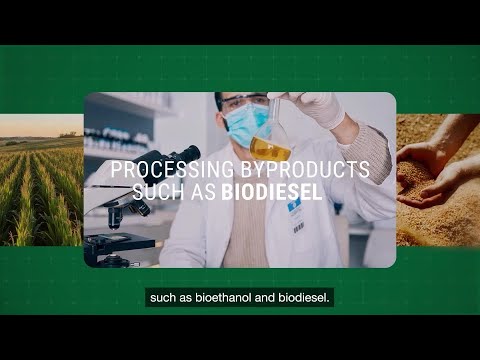
Maximise your lab prospects in biofuels development and testing. Unlock market and economic benefits through reduced production costs, high product quality, and compliance with global standards. Our solutions support multiple value chain production stages, from evaluating incoming raw materials to processing by products such as glycerin, to finished fuel such as bioethanol and biodiesel.
The Must Attend Event for 2026

Polls
 Loading ...