





Feedstock pretreatment using a technological adsorbent always requires subsequent removal of the processing aid from the feedstock through a suitable technique. In refineries, this is often implemented by means of leaf filters, where the adsorbent is captured in metal screens with a defined mesh, building a filter cake. A significant amount of contaminants is also removed during this step. Particle size distribution of the material used for purification is key to achieving high flowrates when dealing with a high contaminant profile. Industrial-scale filtration typically follows a four-step process as Figure 1 shows. Industrial filtration in detail Precoating: It is essential to cover the metal sieve with high-quality bleaching earth. If the precoat is not well produced (e.g. contains trace contaminations, gums, or fines), it could significantly reduce the filtration cycle. Filtration: After the filter is precoated, a certain amount of differential pressure is needed to allow efficient filtration. This step is significantly affected by the permeability and homogeneity of the...
CONNECT WITH US




Latest Videos
The Science That Keeps Biofuels Flowing
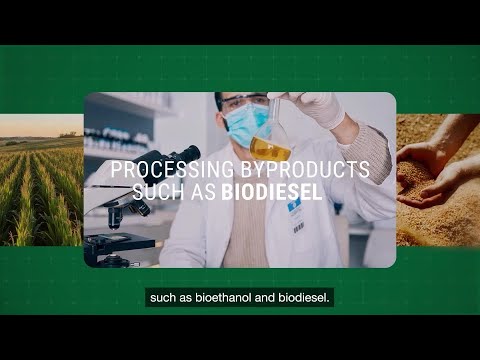
Maximise your lab prospects in biofuels development and testing. Unlock market and economic benefits through reduced production costs, high product quality, and compliance with global standards. Our solutions support multiple value chain production stages, from evaluating incoming raw materials to processing by products such as glycerin, to finished fuel such as bioethanol and biodiesel.
The Must Attend Event for 2026

Polls
 Loading ...