






← Go Back
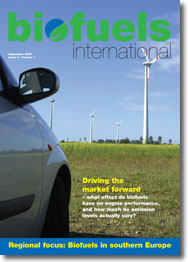
Volume 1, Issue 4
Feedstocks of the future
Feature
The European Bioethanol Fuel Association (eBIO) compares which feedstocks will be most prominent in the biofuels market in years to come
Fighting off negative publicity
Feature
Biofuels have received a whole raft of bad press in recent months - but is any of it deserved?
Why some southern European countries are choosing not to drink the profits
Feature
Northern Europe is renowned for its beer, whereas southern Europe is better known for its wine. But both vineyards and barley fields alike are now attracting the attention of biofuels producers throughout the world.
From fries to fuel
Feature
German-based Petrotec is one of the leading biodiesel producers in Europe, and stands out with its ability to handle difficult-to-process raw materials. These include those with a high fatty acid content such as yellow grease, (used cooking oil) and animal fat.
Driving the market forward
Feature
Earlier this year a contaminated batch of fuel in the UK wreaked havoc on thousands of engines, causing many cars to break down. Unsurprisingly, consumers were less than pleased by the damage caused to their pride and joy.
Overcoming the hurdles
Feature
It is well known that ethanol blends can present a plethora of technical challenges to engine operation because ethanol differs from petroleum in some key properties. This leads to unique challenges - including intake valve deposits, increased valve sticking, cold-weather starting, fuel system corrosion, filter plugging and loss of fuel economy - that are as various as they are complex.
The hunt for cleaner, more successful drying
Feature
When producing ethanol from grain a byproduct is left behind, stillage.
Quality control
Feature
Fuels and fuel additives manufactured or imported in the US are subjected to strict regulations set out by the US Environmental Protection Agency (EPA). Biodiesel is the only alternative fuel to be legally registered with the US EPA and to have fully completed the health effects testing requirements of the 1990 Clean Air Act Amendments.
An environmental dilemma
Feature
The cost of global economic expansion since the west's industrial revolution in the late 18th and early 19th centuries can be measured quite simply in terms of the increased level of greenhouse gas concentrations emitted to the atmosphere.
Feedstock trends: jatropha
Feature
The period from 2005 until now has experienced unprecedented growth in global biodiesel demand, production, and production capacity.
Creating a biofuels roadmap
Feature
Biofuel research is as old as the hills. Back in Roman times people sought to determine the effectiveness of different blends of olive oil for lighting lamps as well as food preparation. Today researchers have somewhat broader ambitions, investigating the building blocks for a new generation of biofuels, chemical intermediates, enzymes, pre-treatment and refining processes, as well as considering...
[read more]





 Loading ...